
(6.1) Scale Tones
The notes of a scale are often referred to (logically enough!) as scale tones. This is to distinguish them from the other chromatic notes which are not part of the scale.
Each of these scale tones contributes a different tension and plays a different role in melodies created from the scale.
Each scale tone, when acting as a root note, also provides the foundation for a different collection of chords that suits music using the scale.
In classical music theory, the scale tones are given special names to help identify their role when analysing melodies and harmonies. They can also be referred to with roman numerals, similar to the degree notation we have already used.
The table below lists the names and roman numerals of the scale tones, using the C Major scale as an example.
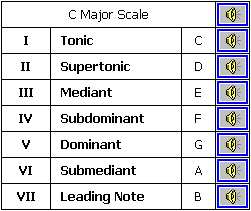
Each of these scale tones has a different impact on music within the scale. Most important is the Tonic, or 'home base' of the scale, where melodies will often return as they finish.
Next is the Dominant, which often dominates the harmony and melody of the scale, closely followed by the Subdominant.
Another very important role is played by the Leading Note, so called because it often wants to lead the melody up one semitone, back to the tonic.
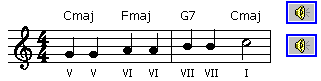
The melody fragment below illustrates the role of some of the scale tones. Listen to it both with and without the chord harmony.
|
Topic 71 of 117
| ||
Bring these music concepts to life with the free Songtrix Bronze Edition as you create songs from chords and scales.
Then publish and share your ideas with the other musicians you meet on the ChordWizard Network.

Have questions? Join the ChordWizard Network and post them in the Music Theory forum for answers and discussions on your topics of interest.